What is YAG Capsulotomy?
Understanding YAG Capsulotomy
A complex laser method called YAG capsulotomy was created specifically to deal with the problem of posterior capsule opacification (PCO) after cataract surgery. This disorder, which is typified by the formation of scar tissue behind the lens implant, may become apparent soon after the first operation or may remain latent for a long time.
Posterior Capsule Opacification (PCO)
A significant percentage of patients—up to 20 percent—who have had cataract surgery experience posterior capsule opacification (PCO), which is an uncomfortable condition that develops three years after surgery. This unpleasant result causes glares or halos to appear around light sources, making eyesight difficult to see.
Some capsules may create a layer of new cells that form a frosting on the rear surface of the lens because they contain live cells. Up to 10% of patients may experience posterior capsular opacification (PCO), often known as an after-cataract, following lens or cataract surgery.
After cataract surgery, YAG laser treatment could be required for a variety of reasons:
To the up, following cataract surgery, YAG laser treatment is crucial for controlling possible side effects such as posterior capsule opacification, cystoid macular edema, IOL displacement or misalignment, and secondary glaucoma. Through effective resolution of these issues, laser treatment can improve visual results and increase the cataract surgery success rate as a whole.
After cataract surgery, sometimes a special laser treatment called YAG laser may be needed to fix problems like cloudy vision, swelling in the eye, or issues with the new lens. This laser treatment can help make sure your eyes see well and make the surgery work better.
Some capsules may create a layer of new cells that form a frosting on the rear surface of the lens because they contain live cells. Up to 10% of patients may experience posterior capsular opacification (PCO), often known as an after-cataract, following lens or cataract surgery. The frosted layer can blur the view through the window, just like icing does, and the new lens can do the same. Any period following surgery, including a few weeks to months later, can result in PCO.
How it works?
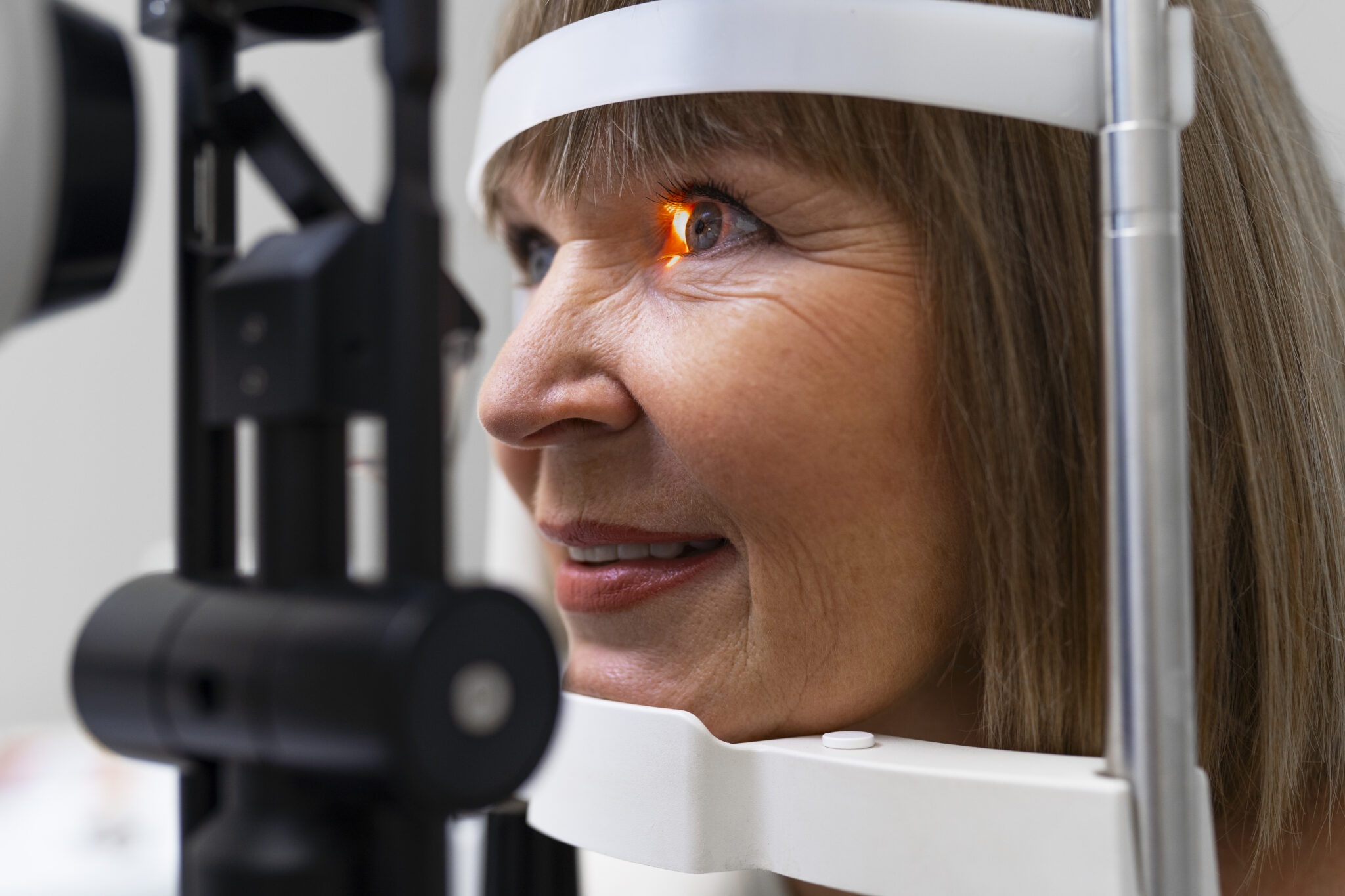
The laser used to remove icing from an intraocular lens’s back surface is called a YAG laser. The YAG laser therapy takes only a few minutes to perform from outside the eye and is painless. Your eye doctor might employ a magnifying contact lens to help direct the YAG laser at the frosting layer during YAG laser treatment. Patients will experience light flashes and a clicking sound during treatment. Before using a YAG laser, the pupil must be dilated to provide a clear view of the lens surface.
Following the procedure, your physician will recommend a brief regimen of anti-inflammatory and pressure-relieving eye drops. The majority of individuals experience enhanced clarity and vision within 24 hours. YAG laser therapy is usually a one-time necessity, as the capsule does not regenerate once it has been vaporized by the YAG.
Complications that are uncommon but might arise after YAG laser treatment include vitreous floaters, increased intraocular pressure, retinal edema, possible lens damage, and very rarely, retinal detachment.